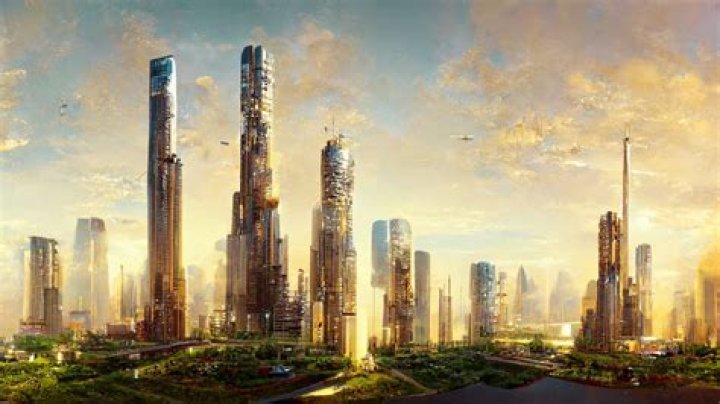
As we stand on the brink of a new era, the idea of a futuristic city is no longer confined to the realms of science fiction. It is a vision that is slowly becoming a reality, fueled by technological advancements and innovative urban planning. These cities exemplify a harmonious blend of sustainability, advanced technology, and human-centric design, creating spaces where people can thrive in a connected and efficient environment. The futuristic city is not merely about towering skyscrapers and sleek transportation systems; it represents a lifestyle that prioritizes well-being and ecological balance. With urban areas rapidly expanding, the need for reimagining our living spaces is more crucial than ever. The pursuit of a futuristic city suggests a shift towards smarter, greener, and more inclusive communities.
Imagine a place where renewable energy powers every home, where transportation is seamless and pollution-free, and where artificial intelligence assists in daily living. This is the essence of a futuristic city, a blueprint for urban environments that could lead us into an age of unprecedented convenience and sustainability. Citizens of these cities will enjoy not only state-of-the-art amenities but also a sense of community and security that modern urban life often lacks. As we delve into the concept of a futuristic city, we uncover the myriad possibilities that await us.
The vision for these cities is diverse, encompassing everything from smart homes and green architecture to integrated public transport and urban agriculture. The idea is to create an ecosystem that supports both human life and the environment, fostering a sense of balance that is vital for future generations. In this article, we will explore fundamental questions surrounding futuristic cities, analyze their components, and envision how they can reshape our societal landscape.
What Defines a Futuristic City?
When pondering the characteristics of a futuristic city, several key elements come to mind:
- Smart Technology: Integration of IoT devices and AI systems to enhance city management and improve quality of life.
- Sustainable Design: Buildings and infrastructure designed with eco-friendly materials and energy-efficient systems.
- Transportation Innovations: Autonomous vehicles, electric public transport, and bicycle-friendly pathways.
- Green Spaces: Ample parks, community gardens, and vertical forests that promote biodiversity.
How Will Transportation Evolve in a Futuristic City?
Transportation is a critical component of urban life, and in a futuristic city, it takes on new forms:
- Autonomous Vehicles: Self-driving cars will reduce traffic congestion and accidents, making travel safer and more efficient.
- Hyperloop Systems: Rapid transit systems that can connect cities in minutes, revolutionizing intercity travel.
- Drone Delivery: Utilizing drones for logistics and delivery services to speed up commerce.
- Smart Public Transit: Real-time tracking and scheduling will enhance the commuter experience.
What Role Does Sustainability Play in Futuristic Cities?
Sustainability is a cornerstone of the futuristic city concept. Here are some ways it manifests:
- Renewable Energy: Solar panels, wind turbines, and geothermal energy sources power homes and businesses.
- Waste Management: Innovative recycling programs and waste-to-energy solutions minimize landfill use.
- Water Conservation: Advanced systems for rainwater harvesting and wastewater treatment ensure efficient water use.
- Smart Agriculture: Urban farming and vertical gardens provide local food sources and reduce transportation emissions.
What Innovations Are Shaping Futuristic Cities?
Technological innovations are at the heart of the futuristic city. Some notable trends include:
- Smart Infrastructure: Buildings equipped with sensors that monitor energy use and environmental conditions.
- Augmented Reality: Enhancing navigation and tourism experiences through AR applications.
- Blockchain Technology: Streamlining transactions and increasing transparency in city governance.
- Artificial Intelligence: Utilizing AI for predictive analytics to improve city services and infrastructure maintenance.
How Can We Prepare for the Future of Urban Living?
Preparing for the future of urban living involves a proactive approach from both citizens and governments:
- Education and Awareness: Promoting sustainable practices and technological literacy among residents.
- Community Engagement: Involving citizens in urban planning processes to ensure their needs are met.
- Investment in Technology: Governments should prioritize funding for smart city initiatives and infrastructure upgrades.
- Collaboration: Partnerships between private sector companies, non-profits, and government entities to drive innovation.
What Challenges Do Futuristic Cities Face?
Despite their potential, futuristic cities also encounter significant challenges, such as:
- Funding and Investment: Securing financial resources for ambitious projects can be difficult.
- Privacy Concerns: The use of surveillance and data collection raises ethical issues.
- Social Inequality: Ensuring that advancements benefit all citizens, not just a privileged few.
- Environmental Impact: Balancing development with ecological preservation is crucial.
What Are Some Real-World Examples of Futuristic Cities?
Several cities around the world are already implementing futuristic concepts, including:
- Masdar City, UAE: A zero-carbon city designed to rely entirely on renewable energy.
- Songdo, South Korea: A smart city built from the ground up with advanced technology and sustainable practices.
- Smart City, Amsterdam: An initiative to integrate innovative solutions across urban areas for a smarter, more sustainable future.
- Bristol, UK: A city focusing on green technology and community engagement for sustainable urban living.
Conclusion: What Lies Ahead for Futuristic Cities?
As we envision the future of urban living, it is clear that the concept of a futuristic city is evolving rapidly. With the integration of advanced technology, sustainable practices, and a focus on community well-being, these cities have the potential to redefine our relationship with urban environments. By addressing the challenges they face, engaging citizens, and embracing innovation, we can pave the way for a brighter future in our cities. The journey toward a futuristic city is not just about building a new skyline; it is about creating a livable, equitable, and vibrant space where everyone can thrive.
Razor Candi: The Rise Of A Social Media Sensation
Travis Scott Age: The Journey Of A Modern Rap Icon
Legends Of The Ring: A Look At Famous 80s Wrestlers