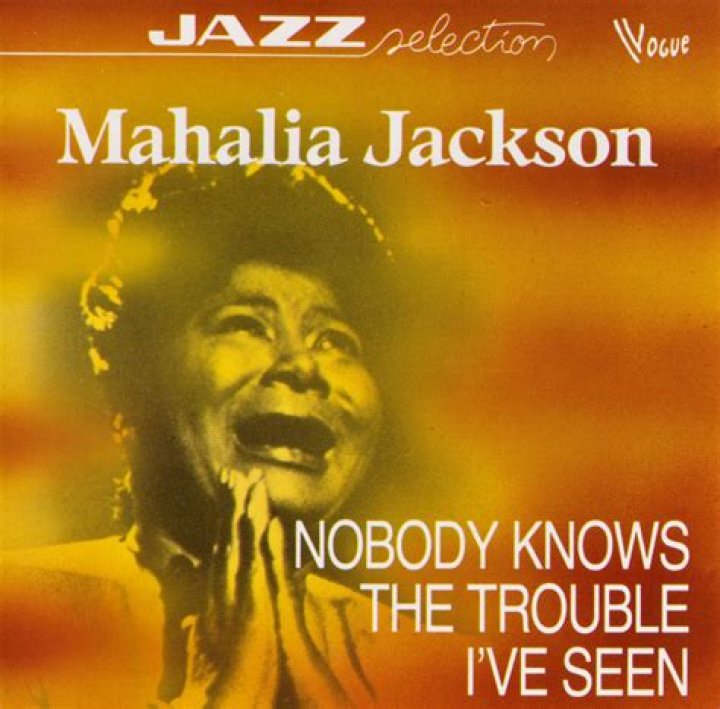
In the world of gospel music, few artists have left as profound an impact as Mahalia Jackson. Her powerful voice and deep, soulful interpretations of spirituals resonated with audiences, making her not just a singer, but a beacon of hope and resilience. "Nobody knows the trouble I've seen" is a phrase that encapsulates the struggles and triumphs of Jackson's life, reflecting her personal journey and the collective experiences of her community. Through her music, she conveyed emotions that many could relate to, creating a connection that transcended the barriers of race and class.
The journey of Mahalia Jackson is a testament to the strength of the human spirit. Born into a world rife with adversity, she navigated her way through hardship, using her faith and talent as guiding lights. Her story is not just about her rise to fame, but also about the struggles she faced along the way. The phrase "nobody knows the trouble I've seen" serves as a reminder of the pain that often lies beneath the surface of success, making her music even more poignant and moving.
As we explore the life and legacy of Mahalia Jackson, we will delve into her background, her musical journey, and the indelible mark she left on the world of gospel music. By understanding the challenges she overcame and the message she shared, we can appreciate the depth of her contributions and the enduring power of her art. Join us as we uncover the life of the woman who transformed her struggles into a message of hope and love through her music.
Who Was Mahalia Jackson?
Mahalia Jackson was born on October 26, 1911, in New Orleans, Louisiana. Raised in a religious household, she was exposed to gospel music from a young age, singing in church choirs and honing her skills in the vibrant musical culture of the South. Her unique ability to convey deep emotion through song quickly set her apart from her peers. Jackson's career spanned several decades, during which she became a leading figure in gospel music and an influential voice in the civil rights movement.
What Were the Key Milestones in Mahalia Jackson's Career?
Mahalia Jackson's career was marked by several key milestones that solidified her status as a gospel legend:
- 1947: Her first major recording, "Move On Up a Little Higher," became a massive hit and propelled her to national fame.
- 1950: Jackson performed at the prestigious Carnegie Hall, showcasing her talent to a diverse audience.
- 1963: She sang at the historic March on Washington, delivering a powerful rendition of "How I Got Over," which resonated deeply with civil rights activists.
- 1972: Mahalia Jackson passed away, leaving behind a rich legacy of music that continued to inspire generations.
What Personal Struggles Did Mahalia Jackson Face?
Despite her immense talent and success, Mahalia Jackson faced numerous personal struggles throughout her life. Growing up in poverty, she experienced the hardships of the Jim Crow South, which shaped her worldview and fueled her desire for equality and justice. Jackson's struggles with her weight and health issues also plagued her later in life, but she continued to perform, using her music as a source of strength and inspiration.
How Did Mahalia Jackson Influence Gospel Music?
Mahalia Jackson's influence on gospel music is immeasurable. She is often credited with popularizing the genre and bringing it to mainstream audiences. Her unique style blended traditional gospel elements with powerful emotional delivery, which resonated with listeners across racial and cultural lines. Jackson's recordings and performances introduced gospel music to new audiences, paving the way for future generations of artists.
What Legacy Did Mahalia Jackson Leave Behind?
The legacy of Mahalia Jackson extends far beyond her music. She was a trailblazer for African American artists, breaking down barriers and paving the way for future generations. Jackson's commitment to civil rights and her willingness to use her platform to advocate for change made her an influential figure in American history. Her songs continue to inspire and uplift, reminding listeners of the power of faith and resilience.
How is "Nobody Knows the Trouble I've Seen" Connected to Mahalia Jackson?
"Nobody knows the trouble I've seen" is a poignant phrase that reflects the struggles faced by many individuals, particularly within the African American community. Mahalia Jackson's interpretation of this spiritual resonated deeply with her audience, as it encapsulated the pain and suffering experienced throughout history. By singing this piece, Jackson not only shared her own experiences but also gave a voice to the struggles of countless others who felt marginalized and overlooked.
What Are Some of Mahalia Jackson's Most Iconic Songs?
Some of Mahalia Jackson's most iconic songs include:
- "How I Got Over"
- "Take My Hand, Precious Lord"
- "Amazing Grace"
- "Nobody Knows the Trouble I've Seen"
These songs not only showcase her incredible vocal talent but also convey powerful messages of hope and faith that continue to resonate with listeners today.
What Impact Did Mahalia Jackson Have on the Civil Rights Movement?
Mahalia Jackson played a significant role in the civil rights movement, using her music to inspire and rally support for the cause. Her powerful performances at key events, such as the March on Washington, helped to galvanize people around the fight for equality. Jackson's music served as a source of strength for activists, reminding them of the importance of perseverance and faith.
Why is Mahalia Jackson Remembered Today?
Today, Mahalia Jackson is remembered not only for her incredible contributions to gospel music but also for her unwavering commitment to social justice and equality. Her legacy lives on through her recordings, which continue to inspire and uplift listeners. As we reflect on her life, we are reminded that nobody knows the trouble I've seen, but through faith and resilience, we can overcome.
In conclusion, Mahalia Jackson's life and career exemplify the power of music to transcend adversity and bring people together. Through her incredible talent and dedication to social change, she became a symbol of hope and inspiration for many. The phrase "nobody knows the trouble I've seen" serves as a lasting tribute to her journey and the struggles faced by countless individuals in their own lives. As we celebrate her legacy, we are reminded of the importance of faith, resilience, and the power of music to heal and uplift.
Uncovering The Personal Life Of Derek Chauvin: Was Derek Chauvin Married?
Cruising Through The Rhythms: Unpacking The Cars Let's Go Lyrics
Exploring The Romantic Life Of Rick Ross: Who Is He Dating?