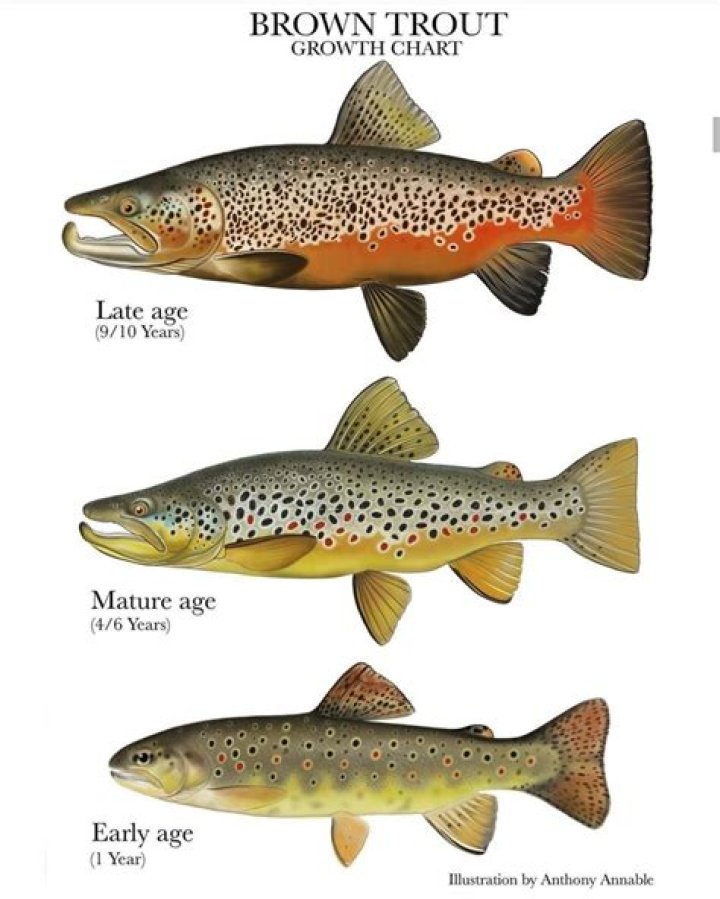
Trout age is a critical factor that influences both the behavior and the characteristics of these fascinating fish. For anglers, understanding the age of trout can significantly enhance fishing strategies and improve catch rates. Trout age can impact their size, growth rate, and reproductive cycles, which are all essential elements for successful fishing. Additionally, knowing how to determine the age of a trout can provide insight into the health of a fishery and its overall ecosystem.
Anglers often wonder how old the trout they catch are. This curiosity can lead to a deeper appreciation for the species and the aquatic environments they inhabit. Trout age can vary significantly depending on factors such as species, habitat, and environmental conditions. By exploring the various aspects of trout age, fishermen can make informed decisions about their fishing practices and conservation efforts.
In this article, we will delve into the various dimensions of trout age, including how it is determined, what influences it, and why it matters for anglers and fishery management alike. Understanding trout age is not just about catching bigger fish; it’s about fostering a sustainable fishing experience that respects the delicate balance of aquatic ecosystems.
What Factors Influence Trout Age?
Several factors contribute to the age of trout, including:
- Species: Different trout species, such as rainbow, brook, and brown trout, have varying lifespans and growth rates.
- Habitat: The quality of the habitat, including water temperature, food availability, and cover, plays a significant role in trout growth.
- Environmental Conditions: Seasonal changes, pollution, and climate can affect the overall health and age of trout.
- Fishing Pressure: Overfishing can limit the age classes of trout in a given area, impacting population dynamics.
How Is Trout Age Determined?
Determining the age of trout can be accomplished through several methods:
- Scale Analysis: Trout scales have growth rings similar to tree rings, which can be counted to estimate age.
- Otolith Examination: The ear bones of fish, called otoliths, can also provide age data through growth increments.
- Length and Weight Measurements: Though less precise, comparing size to known growth charts can offer age estimates.
What Is the Average Lifespan of Different Trout Species?
Understanding the average lifespan of various trout species helps anglers know what to expect:
| Species | Average Lifespan |
|---|---|
| Rainbow Trout | 3-8 years |
| Brown Trout | 4-20 years |
| Brook Trout | 3-5 years |
| Cutthroat Trout | 4-8 years |
Why Is Trout Age Important for Conservation?
Trout age plays a crucial role in conservation efforts. Understanding the age distribution within a fishery can help in:
- Assessing the health of the population.
- Identifying overfishing issues.
- Implementing effective management strategies.
How Does Trout Age Affect Fishing Strategies?
Knowing the age of trout can lead to more effective fishing strategies. Here are some considerations:
- Younger trout may be more aggressive and easier to catch, while older trout require more finesse.
- The feeding habits of trout can change with age, influencing bait and lure choices.
- Older trout often inhabit different areas, necessitating adjustments in fishing locations.
What Are the Signs of Aging in Trout?
Anglers can look for several signs that indicate a trout's age:
- Size: Larger size usually indicates an older age.
- Coloration: Older trout may have duller colors compared to younger, more vibrant fish.
- Body Condition: Older trout may show signs of wear and tear, such as scars or deformities.
Can Trout Age Be Influenced by Human Activity?
Yes, human activities can significantly impact trout age. Factors include:
- Pollution: Contaminants can affect growth rates and overall health.
- Habitat Destruction: Deforestation, damming, and urbanization can reduce suitable habitats.
- Overfishing: Excessive harvesting can lead to a decline in older age classes.
What Role Does Trout Age Play in Ecosystem Health?
Trout age is an indicator of the overall health of aquatic ecosystems. A balanced age structure within a trout population suggests a stable ecosystem, while a skewed age distribution may signal environmental problems. Healthy age classes ensure:
- Genetic diversity within the population.
- Stable food webs, as both young and old trout interact with various species.
- Resilience to environmental changes, ensuring the longevity of the fishery.
In conclusion, understanding trout age is essential for anglers and conservationists alike. By recognizing the factors that influence age, the methods of determining age, and the implications for fishing strategies and ecosystem health, we can foster a more sustainable relationship with this remarkable species. Whether you're an avid angler or a casual fisherman, acknowledging the significance of trout age can enhance your fishing experience and contribute to the preservation of our natural resources.
Unveiling The Story Behind Fox News Joey
Experience The Majesty Of The Met Opera Verdi Requiem
Unraveling The Phenomenon Of Umar Johnson On Twitter